Workbook and group programme
SundPartner – out of relational dependency
For you who give more than you receive. Who sense other people’s moods before your own. And who have started to wonder where you yourself went.
Free and without obligation. You will be the first to hear when there is news.

one small step home to yourself
Do you recognise yourself?
Does this sound familiar?
The pattern is quiet. It looks like care, responsibility and loyalty. But it comes at a cost.
- You say yes, even when everything inside you says no.
- You feel responsible for other people being okay, and guilty when they are not.
- You can read a room in a second, but struggle to sense what you need yourself.
- You stay in relationships that drain you, because being alone feels worse.
- You cover up, make excuses for or try to control someone else’s drinking, using or behaviour.
- You are tired in a way that sleep does not fix.
If you are nodding in recognition, you are not alone. And there is nothing wrong with you.

Codependency seen in a new way
It is not a character flaw
Many call it codependency. I call it relational dependency, because it is rarely about just one person or one addiction.
The pattern is learned early. A child who cannot be themselves and feel safe at the same time learns to adapt, help, anticipate and hold things together. It was a wise solution back then.
In adult life it becomes a trap. You lose touch with your feelings, your needs and your boundaries.
The good news: what has been learned can be relearned.
Three concepts that are often confused
Regulation, addiction and misuse – in relationships too
When I meet someone struggling with addiction, I distinguish between three things that blur together in everyday speech. And I ask the client to say them in the first person. In relational dependency they can sound like this:
The regulation
What I reach for to change my inner state. It can be a substance or an activity – and in relational dependency often another person: I please, look after, rescue or control in order to find calm in myself.
The addiction
The habit that has become so ingrained that the feeling leads to action before I get to choose. I say yes before I have even checked in with myself.
The misuse
The destructive things I do along the way to myself, my life, my possibilities and my abilities – when I abandon my own needs and boundaries to hold on to the relationship. And often to those closest to me.
When each of the three gets its own name, we can work with them without shame – one layer at a time, on the way home to yourself.
The goal
What is a SundPartner?
A person who can be close to another person without abandoning themselves. And be themselves without abandoning the relationship.
It is not about becoming flawless or hard. It is about being able to:
- need others without losing yourself
- say a genuine yes and a genuine no
- let others carry their own responsibility
- give out of desire, not out of fear
This applies not only to your partner, but also to children, parents, friends, colleagues and, first of all, yourself.
approx. 55
pages · 24 exercises
The workbook
From understanding to action
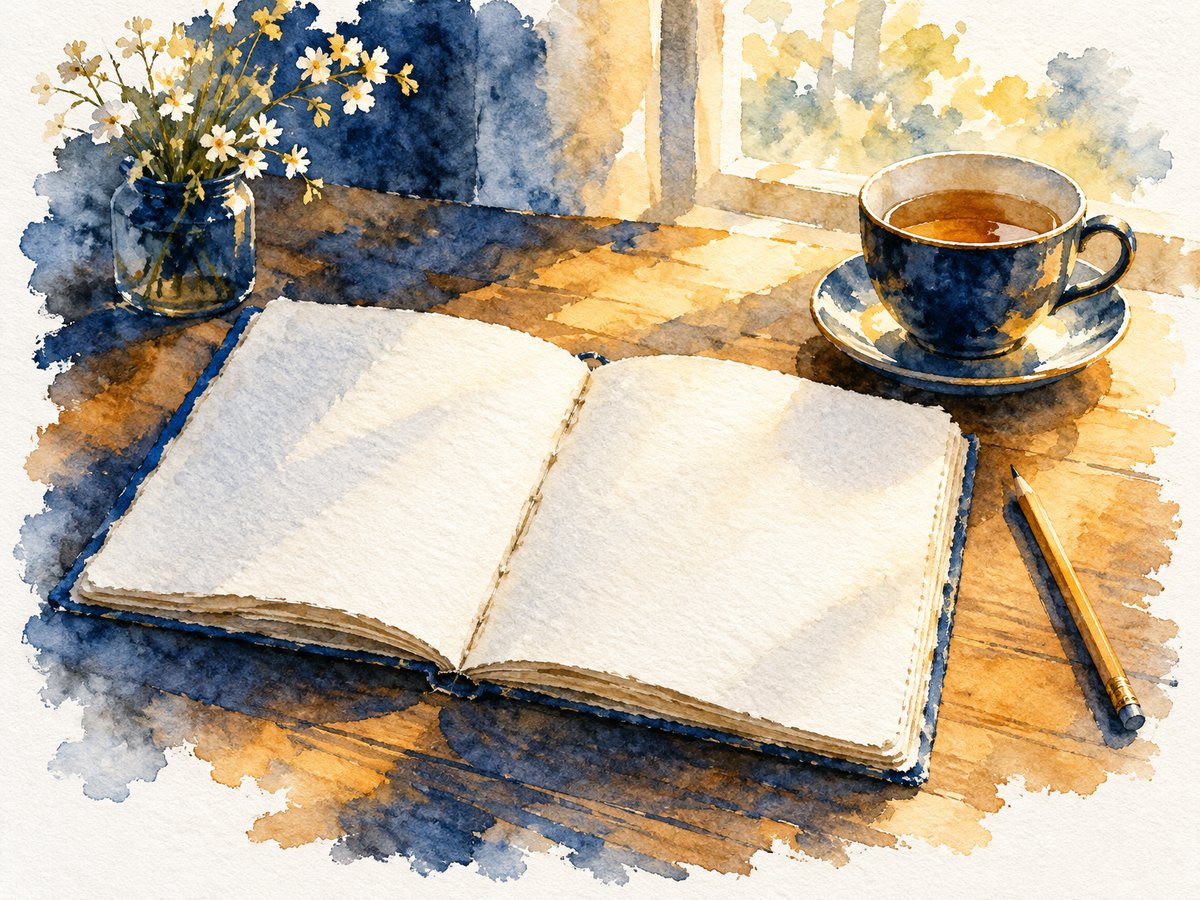
A professional and personal workbook that helps you understand the pattern and take the first concrete steps out of it.
- Part IUnderstand the patternAttachment, the nervous system, shame, the drama triangle and family roles.
- Part IIThe way home to yourselfSelf-worth, the body, boundaries, anger, grief and the authentic yes and no.
- Part III24 exercisesTo use on your own, with a therapist or in a group.
- Boxes for professionals with clinical background and references.
- Resource list with help in Denmark, including for violence and control in relationships.
The book is a downloadable PDF in Danish. Price and format will be announced when it is published, and you will hear first if you are on the waitlist.
The SundPartner group
What arises in relationships heals best in relationships
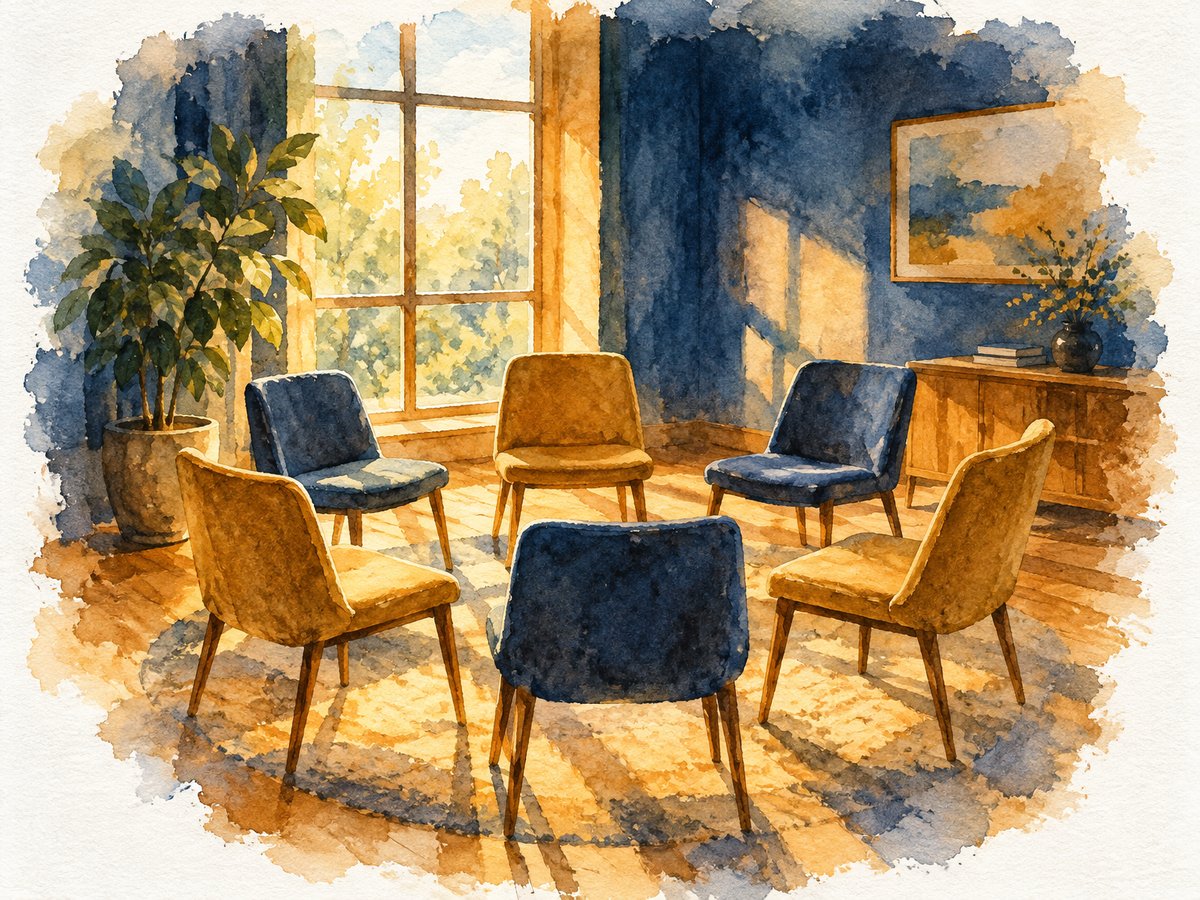
A development group where, in a safe space, you can practise being yourself together with others.
- Closed group with a small, fixed circle of participants.
- Body-oriented and relational work led by psychotherapist Knud Thorbjørn Hansen.
- The workbook is included.
- Before the start we have a conversation without obligation.
- Place, number of sessions and times will be announced when the group is formed. The group starts when enough people are on the waitlist. The group is held in Danish.
About me
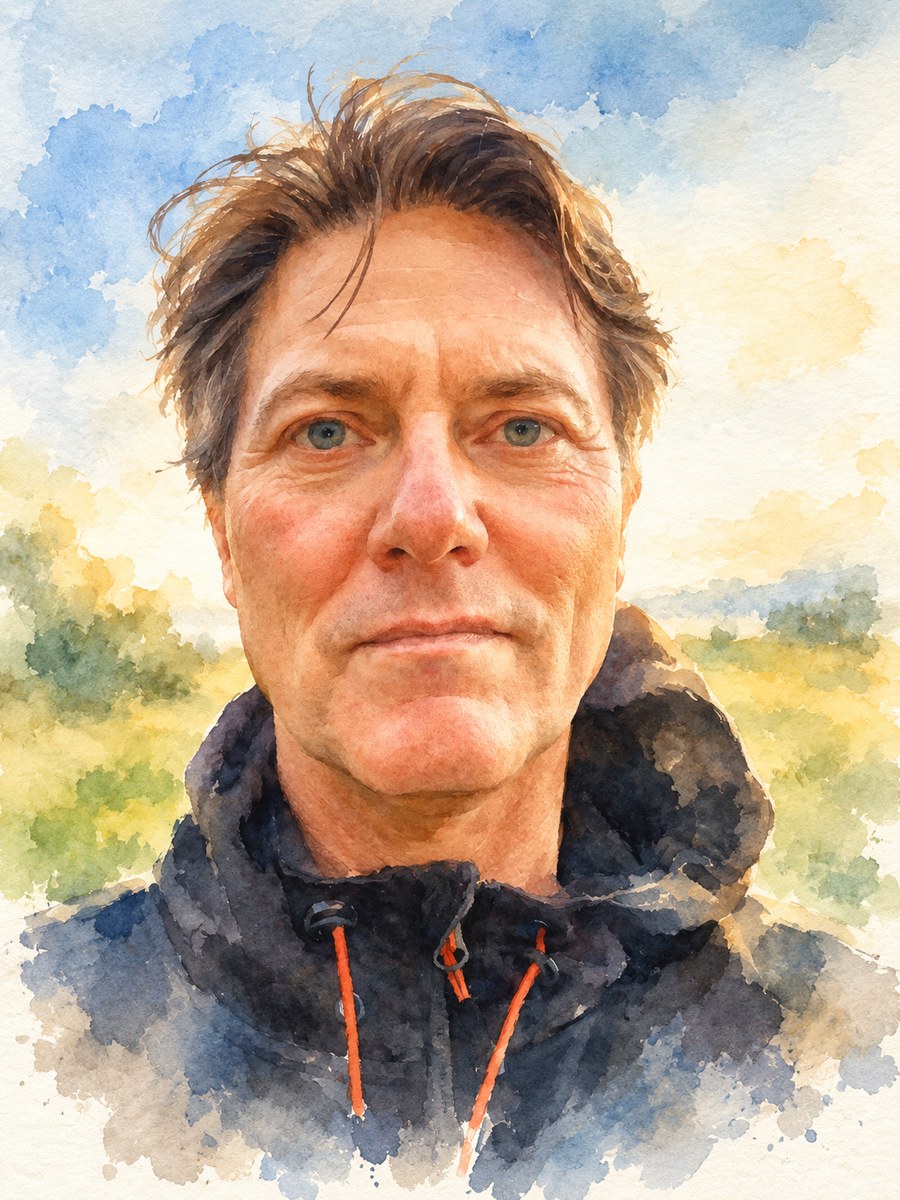
My name is Knud Thorbjørn Hansen
Registered psychotherapist, somatic trauma therapist and development consultant
Since 2013 I have worked with people in addiction and with those close to them. Again and again I have seen that the loved ones carry at least as much.
The way out is not more control, but finding your way home to yourself.Read more about HjerteDialog
Questions and answers
Frequently asked questions
Is it only for relatives of someone with an addiction?
No. Many recognise the pattern with a partner, with parents or children, or at work. If you tend to disappear into other people’s needs, you are welcome.
Is relational dependency a diagnosis?
No. It is a descriptive term for a learned pattern. And precisely because it is learned, it can be changed.
Can I use the workbook on my own?
Yes, at your own pace. Many people get the most out of it together with a therapist or in a group.
What if there is violence or threats in my relationship?
Then your safety comes first. In Denmark, contact Lev Uden Vold on 1888 (open 24/7), or call 112 in an emergency.
I am a professional. Can I use the book in my work?
Yes. The book has special boxes for professionals with clinical background and references. Contact Knud about use with clients or in teaching.
Waitlist
Sign up and be the first to know
It is free and without obligation. You will hear from me when the workbook is published, or when a new SundPartner group starts.
Your turning point can begin now, with one small step home to yourself.